Contents
Artificial intelligence technology, which has rapidly advanced and proliferated in various aspects of life through machine learning on an algorithmic network, has brought with it both opportunities and concerns. One of the significant concerns is known as 'AI bias.'
AI systems, relying on statistical analysis to recognize and learn patterns in data, can inadvertently produce biased or prejudiced outcomes when the data they rely on is skewed, incomplete, or unrepresentative. This phenomenon, known as AI bias, poses a threat to ethical, fair, and unbiased use of artificial intelligence, potentially fueling discrimination and outdated results.
What Is AI Bias?
AI bias refers to the situation where artificial intelligence systems make discriminatory or biased decisions or exhibit biased behavior. It's essential to note that AI, by its nature, cannot inherently produce discrimination or racism in a human-like sense. However, biases can emerge in AI due to the way algorithms are designed. Bias in AI can result from biases in training data or system design, making it difficult for AI systems to achieve their goal of being fair and unbiased. This can raise significant concerns related to justice, equality, and combatting discrimination in society.
AI systems learn differently from humans. They rely on large datasets to enhance their learning and decision-making capabilities. Therefore, they might process biases, stereotypes, or discrimination present in the data, inadvertently reproducing them. For instance, if data involving factors like gender, race, ethnicity, or socioeconomic status contains bias, AI systems can learn and perpetuate these biases, potentially leading to unintentional discrimination.
The Development and Consequences of AI Bias
While we don't currently have general artificial intelligence (general AI) that operates close to human intelligence, narrow AI systems used in various fields raise concerns when they rely on biased data. Visionary technologist Elon Musk has expressed concerns about AI bias, stating, "Artificial intelligence can influence people's minds and thoughts. AI systems can learn and reinforce biases present in the data they are trained on, posing the risk of generating biased results and decisions."
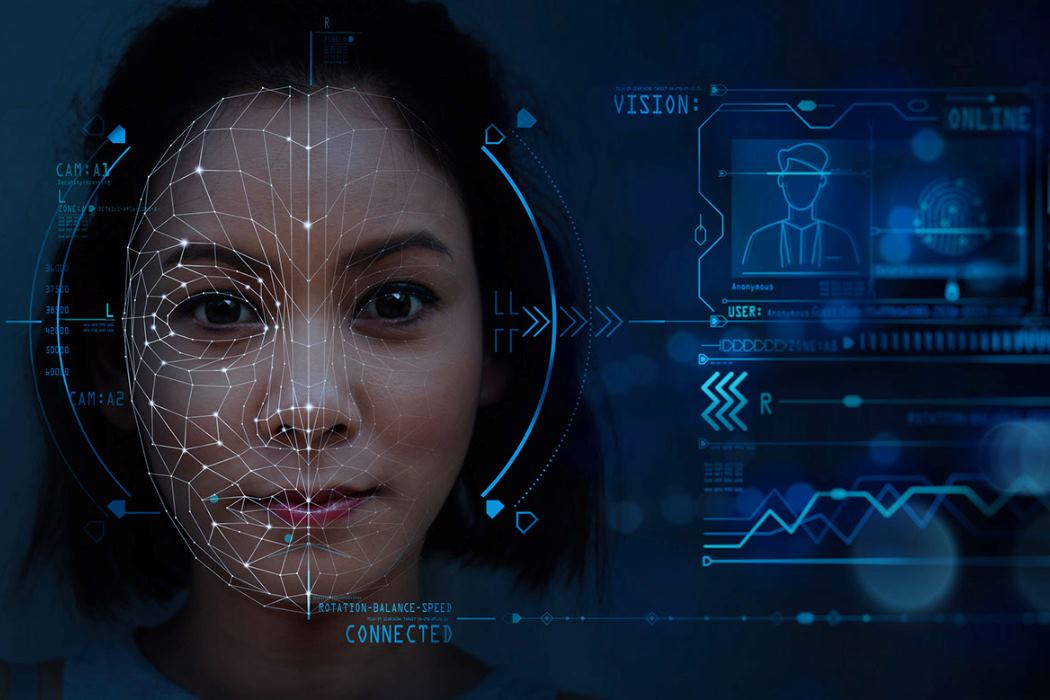
Research conducted in Denmark found that AI analysis of facial expressions allowed for a 61% accurate prediction of an individual's political beliefs. Such studies suggest that AI might predict human behavior or thoughts based on non-verbal cues. However, the accuracy and reliability of such predictions remain questionable, considering research limitations like sample representativeness, data bias, and imbalance.
Dealing with AI Bias
To mitigate AI bias and make artificial intelligence more fair and unbiased, it is crucial to carefully select, balance, and monitor training datasets. Additionally, developing AI designs supported by ethical principles and regulations can help ensure fairness in AI.
Addressing AI bias involves the ethical and fair design, training, and evaluation of AI systems. Developers need to scrutinize datasets, attempt to identify biased or discriminatory data, and take necessary measures to prevent AI models from reproducing such biases. While the complexities of human communication dynamics pose significant challenges for current AI technology, the development of effective regulations and their enforcement can potentially move the field in the right direction.
The examination of AI through the lens of human communication is a test of humanity itself. In this regard, communication experts can encourage transparency in AI systems' operations and decision-making processes. They can also play a crucial role in promoting diversity and inclusiveness in the data used for AI training. By developing methods to identify and eliminate biased data, they can help create AI systems that produce fairer results and reduce biases. The future of AI technology will increasingly rely on these endeavors to ensure it benefits society as it progresses toward creating an inclusive and diverse form of human communication.