
Contents
In today's business world, resource scarcity and environmental impacts are gaining ever more importance. While sustainability sits at the top of the global agenda, the traditional "take-make-dispose" economic model is becoming increasingly unsustainable. At this point, the concept of the "circular economy" comes to the fore. Initiating a fundamental shift, especially in B2B relationships, this approach offers companies not only an environmental responsibility but also a strategic competitive advantage and new areas of growth.
What Is the Circular Economy?
The circular economy is a production and consumption model in which resources are retained in the economic system for longer and waste is minimized. In this model, processes of repair, reuse, refurbishment, and recycling throughout the lifecycle of products are prioritized. In contrast to the linear economic model's "take, make, dispose" approach, resources in a circular economy are kept within the loop, waste is reduced, and environmental impact is minimized. Thus, both environmental benefits are secured and the total cost of ownership is lowered. Lending flexibility to businesses, this model grants manufacturers the ability to monitor product performance, collect data, and receive continuous feedback.
The Role of the Circular Economy in B2B
Although the circular economy was associated for a long time with individual consumer habits and waste management, today it is also initiating a fundamental transformation in the B2B domain. In traditional B2B structures, enterprises produced and sold products, leaving the waste generated at the end of the process outside the system. However, raw material scarcity, rising energy costs, regulatory pressures, and conscious corporate customers are forcing B2B enterprises to integrate circular economy principles into their business processes. This transformation is viewed not merely as an environmentally oriented responsibility, but as the key to long-term competitive advantage. Companies now not only sell products, but also manage product lifecycles, establish post-use buyback systems, and develop sustainable solutions with business partners. This approach evolves into a strategy providing both environmental and economic benefits.
Circular Business Models in B2B
The circular economy leads to fundamental shifts in B2B ways of doing business. At the heart of this transformation lies the concept of "ownership." In traditional business models, manufacturing companies sold their products to organizations, ownership transferred to the buyer, and the manufacturer remained outside the process. In a circular economy, enterprises prefer leasing products over purchasing them, and long-term service agreements over short-term ownership. This shift is spreading rapidly, especially in equipment, machinery, infrastructure, and technological products. "Lease-use" systems ensure that the product is monitored and maintained throughout its lifecycle and returned to the manufacturer at the end of the process. Thus, products can be refurbished, parts reused, or recycled. The "product-as-a-service" approach is one of the most striking examples of this transformation. For instance, an industrial cleaning machine manufacturer can now offer a service based on square meters cleaned rather than merely selling machines to customers. In these models, the manufacturer commits to keeping the product continuously operational and ensuring energy efficiency. This situation enables the sustainable creation of mutual value for both manufacturer and customer. Additionally, criteria such as durability, modularity, and recyclability gain prominence in product design. As a result, circular business models transform not only procurement processes in B2B, but also customer relationships, financial strategies, and product development dynamics. This approach stands out as an inevitable transformation for enterprises aiming to secure a competitive advantage in the future.
B2B Collaborations in Circularity: Next-Generation Ecosystems
B2B collaborations in the circular economy form the foundation of a transformational vision extending beyond individual companies. Enterprises act not merely to achieve their own sustainability goals, but to co-create value and generate systemic impact. The success of a circular system depends on all links of the chain working synchronously and optimizing the value stream. One of the prominent practices within this scope is the concept of "industrial symbiosis." Industrial symbiosis refers to a company's byproduct or waste becoming a valuable input for another company. For example, organic waste from a food manufacturing facility can serve as raw material for a biogas plant. Or surplus metal parts from an automotive manufacturer can be used as welding or raw material for another producer. These practices both reduce costs and diminish environmental impact. Moreover, new cross-sector business fields and forms of collaboration emerge.
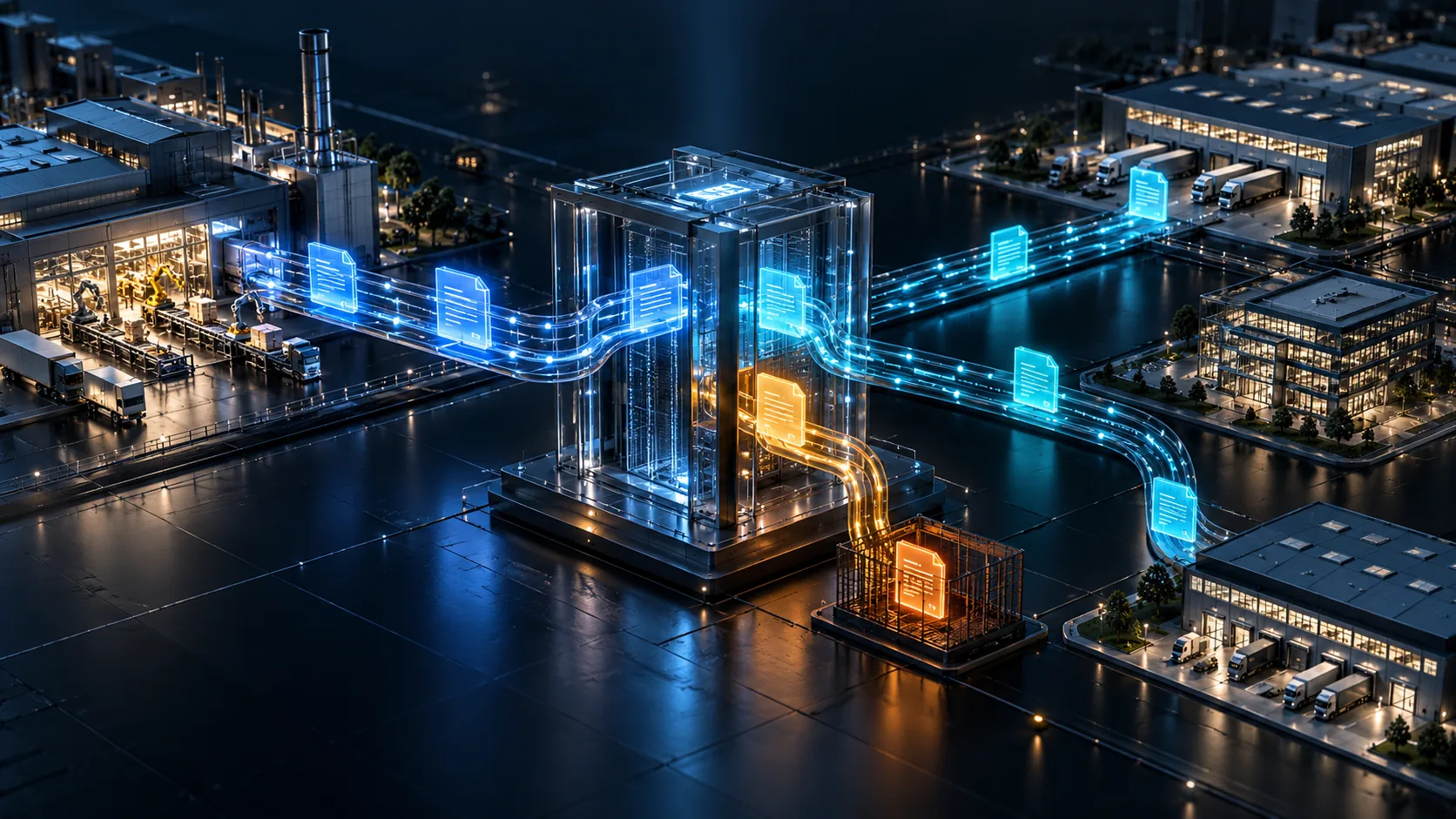
Another significant development is shared platforms and joint resource management solutions shaped on digital infrastructures. Through these platforms, enterprises can share their waste, excess inventory, or idle equipment with other firms, view each other's resources through open data systems, and establish partnerships on the basis of mutual benefit. Because digital environments provide trust and transparency, they facilitate connections that were impossible in traditional settings. Thus, circular business models evolve from physical supply chains toward digital business networks.
In summary, the future of B2B in the circular economy will be shaped not by companies setting up closed-loop production processes, but by enterprises capable of building flexible ecosystems based on open collaborations that co-create value. This collaboration-focused approach will play a critical role not only in environmental sustainability, but also in terms of new business opportunities, efficiency, and resilience.
Evolution of Financial and Commercial Approaches
The circular economy redefines not only production and procurement processes in the B2B world, but also the fundamental rules of financial and commercial operations. Traditional cost calculations are replaced by more holistic economic models considering the entire lifecycle of a product. Enterprises concern themselves not solely with the acquisition price, but with the cost and value generated over the product's lifespan. While this approach encourages the preference for durable, repairable, and recyclable products in particular, it fosters companies considering circularity in long-term investment decisions.
Furthermore, secondary markets and resale systems are becoming increasingly important in B2B commerce. By reconditioning used machinery, recovered components, or overhauled products, companies can both lower costs and utilize resources more effectively. This situation presents manufacturers with opportunities to generate revenue from second- or third-hand product use as well. Carbon markets are becoming a new economic instrument for firms implementing circular practices. Companies manufacturing recyclable products or documenting waste reduction can generate additional revenue through carbon credits.
All these changes necessitate a transformation in contract structures as well. While traditional supply contracts conclude upon product delivery, buyback commitments, reuse plans, and maintenance-refurbishment terms are included in contracts within the circular model. Elements such as product recalls, collection at the end of useful life, or periodic refurbishment become new components of financial planning and risk management. Consequently, reshaping financial and commercial models around circularity allows companies to view sustainability through a strategic lens. This signifies a strong corporate stance before investors, customers, and regulatory authorities.
Securing Circularity with Digital Tools
The sustainable and measurable execution of the circular economy in the B2B world depends heavily on the support of digital technologies. Technology does not merely facilitate circularity; it makes it traceable, optimizable, and scalable. In this context, three technology groups stand out in particular: IoT (Internet of Things), blockchain, and artificial intelligence.
Through IoT technologies, the condition, performance, and consumption of products can be monitored throughout their operational life. With sensors installed on industrial equipment, data such as usage duration, operating conditions, and maintenance requirements can be collected in real time. This information ensures that the product is utilized with maximum efficiency across its lifespan and allows maintenance and repair processes to be managed more effectively. Additionally, data-driven planning can determine when a product should be taken back or refurbished.
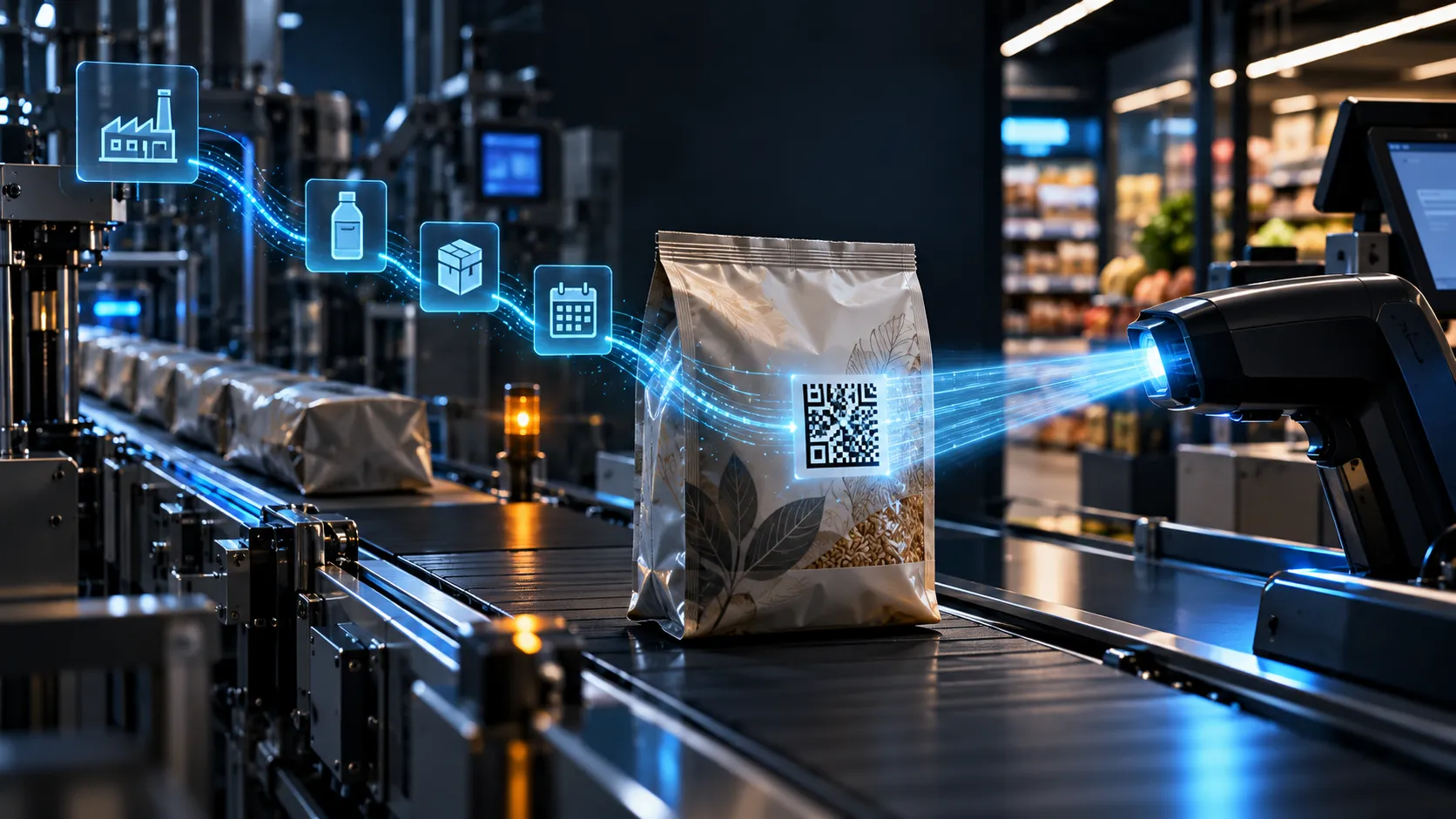
Blockchain technology provides transparency and traceability in circularity. The raw materials used to manufacture products, the supply chain stages traversed, and the recycling processes involved can be recorded on the blockchain. This facilitates internal monitoring processes while delivering secure and verifiable sustainability data to external stakeholders. These infrastructures become critical particularly for regulatory compliance, carbon footprint calculations, and sustainability reporting.
Artificial intelligence plays an essential role in planning and optimizing circular systems. Utilizing AI-supported algorithms in areas such as demand forecasting, inventory management, and the timing of product buyback processes reduces both resource consumption and costs. Furthermore, big data analysis of user habits and product performance enables circular business models to be continuously refined and made more efficient.
All these technological tools enable B2B enterprises to turn circularity into an operational reality rather than a mere intention. Through digitalization, the circular economy transforms into a data-backed, measurable, and sustainable framework instead of manual and complex systems.
Sectoral Differences in B2B Circularity
One cannot speak of a uniform journey in B2B circularity; each sector's circularity journey is shaped within its own context. Every industry approaches the concept of circularity differently in accordance with its own production dynamics, regulatory pressures, technological infrastructure, and customer expectations. Therefore, sector-specific needs, constraints, and opportunities must be taken into account when developing circular economy strategies. This awareness ensures that the transformation process is more realistic, feasible, and effective.
For example, the automotive sector adapted early to circular approaches due to its complex supply chains and high-volume production. The use of recycled materials, remanufacturing of vehicle parts, and the secondary parts market are widespread in this sector. The electronics sector, on the other hand, is one of the areas with the highest need for circularity due to rapid product lifecycles and intensive e-waste generation. With modular design, repairability, and recovery incentives, some manufacturers have begun developing circular solutions. European Union regulations such as the "Right to Repair" serve as a major driving force in this transformation.
The packaging sector is one of the areas experiencing the fastest transformation regarding waste. The use of recyclable materials, reusable packaging designs, and deposit systems are expanding in this domain. However, challenges such as sectoral resistance, cost sensitivity, and consumer behaviors affect the pace of transformation. Additionally, regulations varying from country to country make it difficult for packaging manufacturers to establish a standardized roadmap.
Circularity in B2B as a Matter of Modern Vision
As the importance of sustainability grows on the global agenda, adopting the circular economy has ceased to be merely an environmental or ethical preference. Becoming a strategic necessity in the B2B world, this approach offers enterprises significant advantages such as reducing costs and resource dependencies, complying with regulations, and reinforcing corporate reputation. Circularity enhances long-term competitiveness by transforming not only production processes, but also supply chains, business models, customer relationships, and financial strategies.
With growing awareness, external stakeholders such as investors, customers, and regulatory authorities are becoming more demanding regarding sustainability. B2B firms that integrate circular principles into their business model strengthen their market position while constructing resilient architectures for the future. Conversely, companies unable to keep pace with this transformation may face risks such as rising costs, legal penalties, loss of customers, and reputational damage. For this reason, the circular economy must be viewed as a vision in the B2B domain and adopted not merely as a sustainable preference, but as a transformation strategy that is data-driven, integrated with digitalization, responsive to sectoral needs, and open to collaboration. Firms designing this strategy today will not only survive in tomorrow's business world, but will also seize the opportunity to be guiding actors.