
Contents
The integration of artificial intelligence with EDI (electronic data interchange) revolutionizes business processes, enhancing efficiency, accuracy, and adaptability. Creating a distinctive era in digital transformation, this combination brings us EDI 2.0, representing a new era in data exchange and business automation.
EDI 2.0, the AI-powered form of EDI, offers a range of advantages such as improved data accuracy and quality; enhanced process efficiency and speed; and advanced analytical and predictive capabilities. Thus, EDI 2.0 becomes not merely a data exchange tool, but a strategic asset that transforms business processes, significantly supporting competitive advantage with the benefits it delivers to enterprises.
Integration of EDI with AI Technologies: EDI 2.0
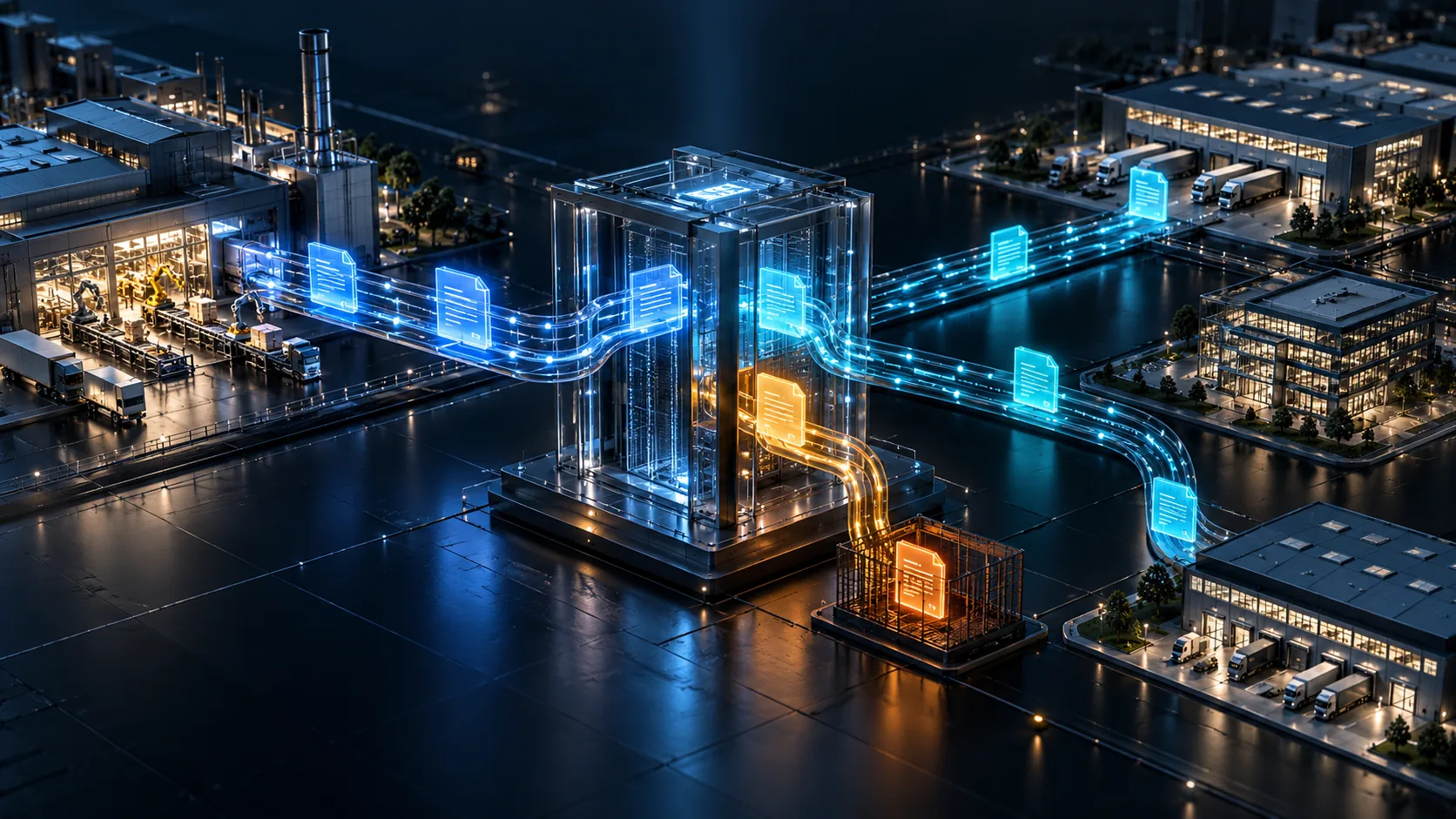
EDI 2.0 is a more flexible, fast, and intelligent platform that transcends the basic data exchange capabilities offered by traditional EDI systems, revolutionizing data communication through the integration of modern technologies and artificial intelligence applications. While traditional EDI systems operate based on rigid protocols and predefined data formats, EDI 2.0 provides seamless and real-time data flow across different systems thanks to dynamic API-based integration layers and cloud technologies. EDI 2.0 is exceptionally advantageous because its integration with artificial intelligence technologies delivers advanced capabilities such as data validation, automated error detection, data enrichment, and real-time analytics.
When integrated with AI technologies, this next-generation platform automates data validation processes, taking the quality and compliance of transmitted data under control. Real-time analysis features, on the other hand, allow the system to continuously monitor data flows and establish instant decision support systems in critical areas such as supply chain management. In this way, while businesses increase data processing speeds and gain a competitive edge, they also reduce operational costs.
Natural Language Processing (NLP): Free-text emails or documents are automatically converted into EDI formats. For example, language models like ChatGPT convert human-language requests into structured data. Reinforcement Learning: Systems develop optimized solution strategies by learning from past errors. For instance, a German automotive giant reduced supplier order errors by 95% with AI. Graph Networks: By modeling complex relationships in supply chain data, they anticipate bottlenecks in the chain. This enhances resilience during crises like COVID-19.
The Importance and Advantages of EDI 2.0
Electronic Data Interchange (EDI) has been used since the 1980s as a foundational technology standardizing document flows between businesses. However, traditional EDI systems could not keep pace with the dynamism of modern business processes due to their rigid structures and errors requiring manual intervention. EDI 2.0 overcomes these issues by being empowered with artificial intelligence (AI) and machine learning (ML), making "intelligent data exchange" possible. In 2025, the global market size of this technology was expected to reach $4.3 billion.
Artificial intelligence algorithms identify anomalies across large datasets, reducing the need for manual intervention, which has been determined to lower transaction errors by 25-30%. Furthermore, thanks to this integration, real-time decision support systems can be developed in supply chain management, and data processing speed can be increased by up to 40%, elevating the efficiency and competitiveness of businesses. In this way, companies strengthen their digital transformation strategies by lowering costs and structuring their processes in a more reliable and flexible architecture. Machine learning algorithms detect anomalies across big datasets and minimize the need for manual intervention by identifying potential error sources at an early stage; thus, transaction errors decrease significantly. Additionally, data enrichment modules analyze raw data, supporting it with relevant supplementary information and making datasets more meaningful. EDI 2.0's flexible workflows and automation tools provide the ability to respond rapidly to changing market conditions; this plays an important role in strengthening digital transformation strategies.
The integration of all features enables companies to achieve higher efficiency, lower error rates, and continuous improvement in data exchange processes, while also allowing them to develop innovative solutions in areas such as supply chain and logistics management. In the healthcare sector, for example, it has been observed to reduce doctors' diagnostic time by up to 40% by automatically standardizing patient records. In retail, for example, with Amazon's AI-supported EDI system, errors in inventory management were reduced by 70% and delivery times were recorded to be optimized. On the other hand, in logistics, one of the most critical branches of the supply chain, global logistics brand DHL was determined to reduce the processing time of customs documents from 24 hours to 2 hours with self-healing EDI systems. These rates stem from the impact of the advantages provided by EDI 2.0 with artificial intelligence integration in increasing the strength of businesses.
Key Components of EDI 2.0
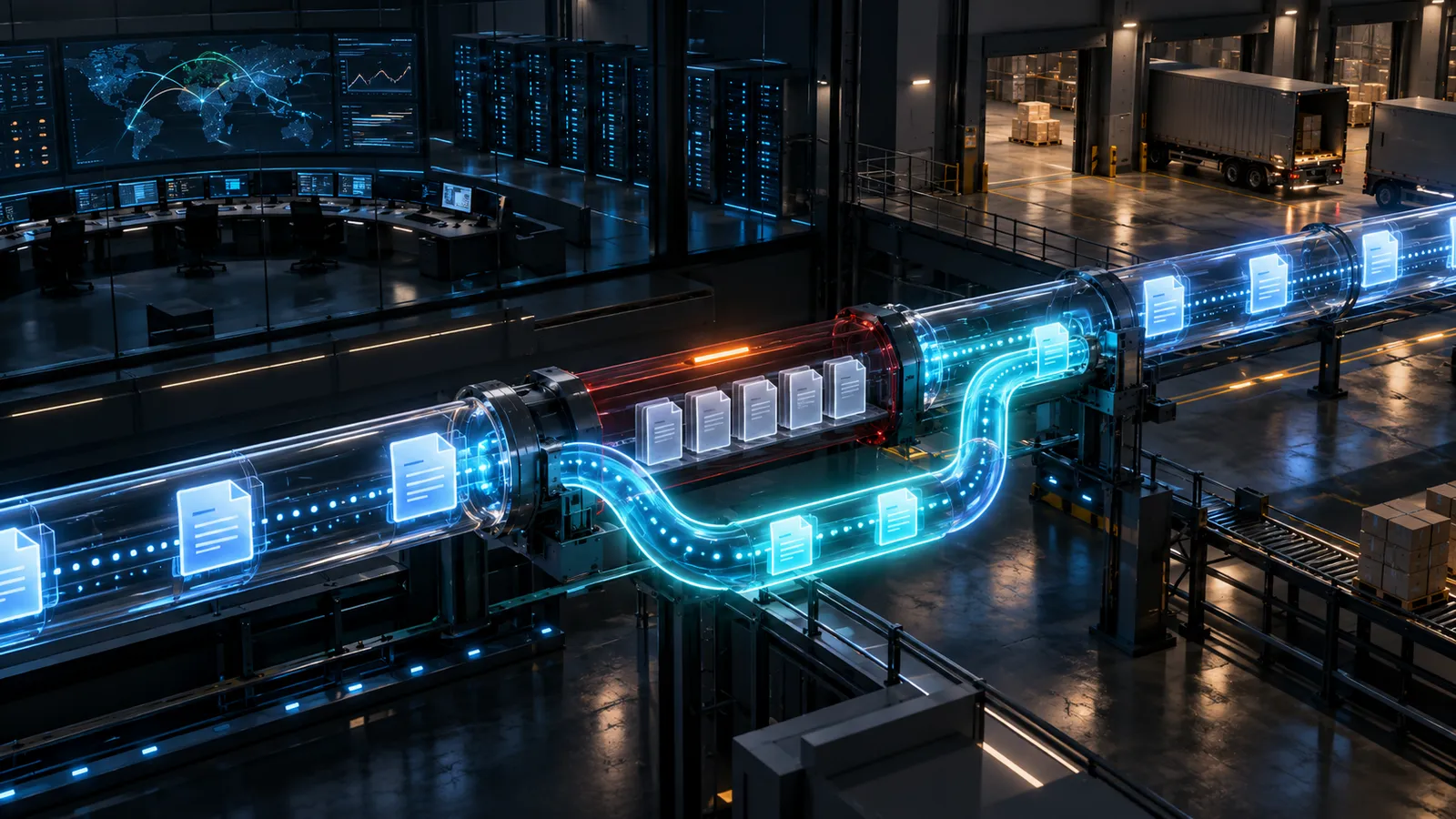
Surpassing the limits of traditional EDI systems many times over, EDI 2.0 gains advanced features such as error tolerance and predictive models in data exchange processes through AI integration. Thanks to its real-time analytics capabilities, this system continuously monitors data flow and instantly detects anomalies such as missing fields, format mismatches, or unexpected delays. This is of golden value, especially for supply chain enterprises. For instance, if a product code—a critical field in a company's order document—is missing, the system automatically completes this missing information based on insights gained from historical data and learning algorithms, thereby ensuring data integrity and reducing transaction errors. In addition, AI-powered predictive modules can forecast potential failures in advance through continuous analyses conducted on APIs and network infrastructure, and system downtime can be reduced by up to 90% through this method.
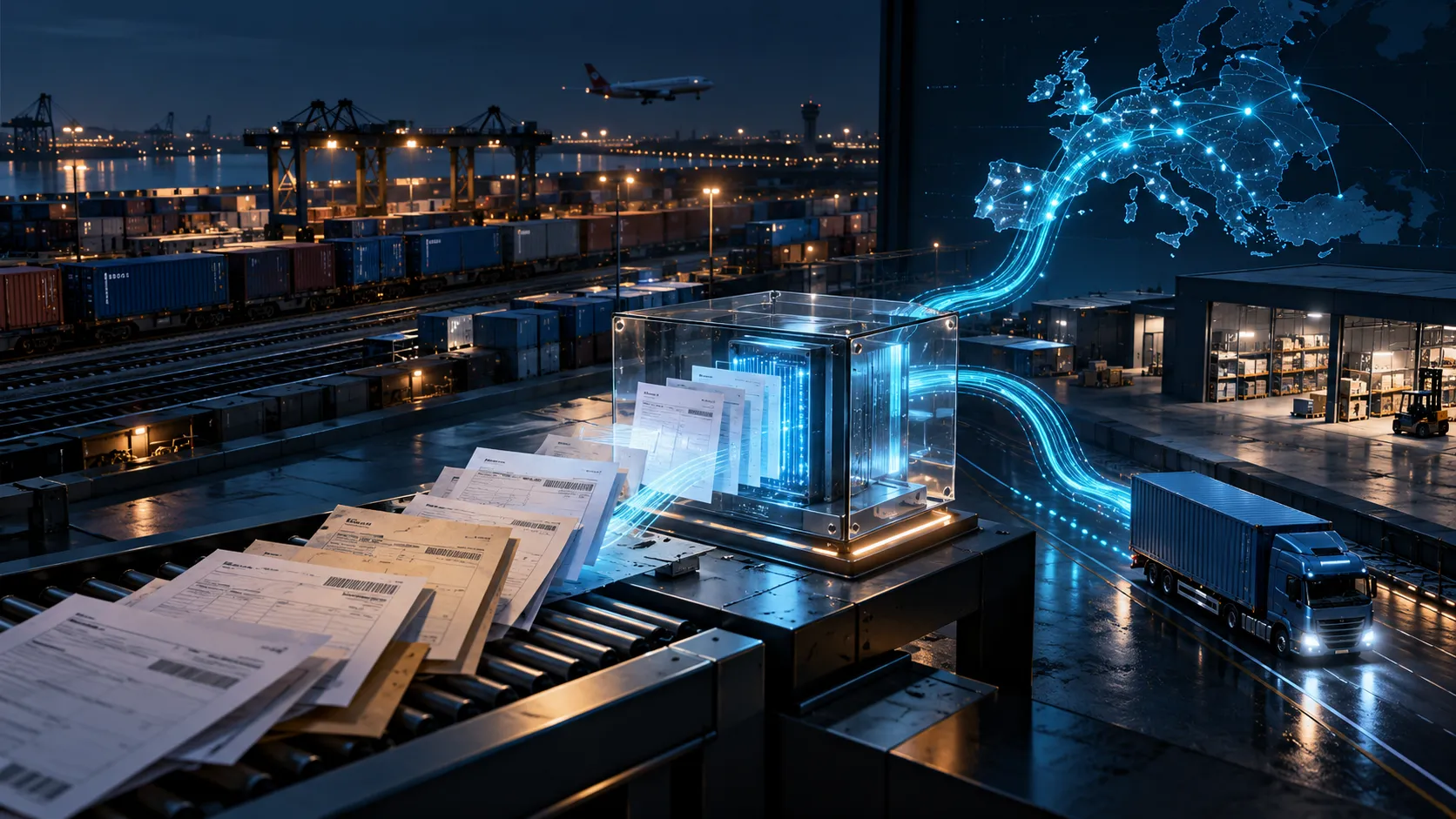
EDI 2.0 technology consists of self-healing systems and possesses the ability to dynamically convert between different EDI standards (such as EDIFACT and X12). Thus, integration processes are accelerated by providing automated mapping and compliance between incompatible data formats. For example, a global e-commerce giant platform tripled its integration speed by automatically adapting supplier data to its own format with an EDI 2.0 system, which allowed disruptions in data exchange to be minimized. Additionally, when self-healing APIs step in, whenever any integration error occurs, AI thoroughly analyzes the source of the error and reconstructs the API calls. Thanks to this mechanism, another world giant brand in the same category cut order processing times in half, significantly increasing its operational efficiency. Because advanced components in this system do not merely present EDI 2.0 as a reliable and uninterrupted solution in data exchange, but also offer a flexible, scalable, and automated infrastructure supporting enterprises' digital transformation strategies. Combining real-time data processing engines, security modules, and dynamic data transformation and enrichment tools, it allows the creation of fast and effective decision support systems in supply chain, logistics, and other critical areas. In this way, enterprises both lower their costs and achieve a competitive edge. On platforms where AI-powered predictive maintenance systems are utilized, system outages can be reduced by a very high percentage, and notable increases in data processing speeds and accuracy are recorded thanks to automated error detection and self-healing capabilities. With these developments, EDI 2.0 allows companies to strengthen their digitalization and innovation strategies in the transformation process. In other words, it is a significant supporter of strategic management.
The convergence of artificial intelligence with EDI technologies marks a major shift and even transformation in the way organizations manage information flows and business relationships. This powerful synergy provides a competitive advantage especially for supply chain businesses by presenting new possibilities for operational excellence, strategic insights, and enhanced customer service beyond the limits of traditional EDI systems. As enterprises continue to adopt these advancements, the future of EDI will likely continue to evolve in tandem with AI developments, with increasing automation, advanced decision-making capabilities, and greater agility aligned with market demands.
B2B/EDI Integration
MAP's B2B/EDI integration connects ERP systems and business partners, with support for protocols such as AS2 and OFTP2 and standards such as EDIFACT and VDA.
Explore the solutionRequest a demo →