Data-Driven Human Resource Management


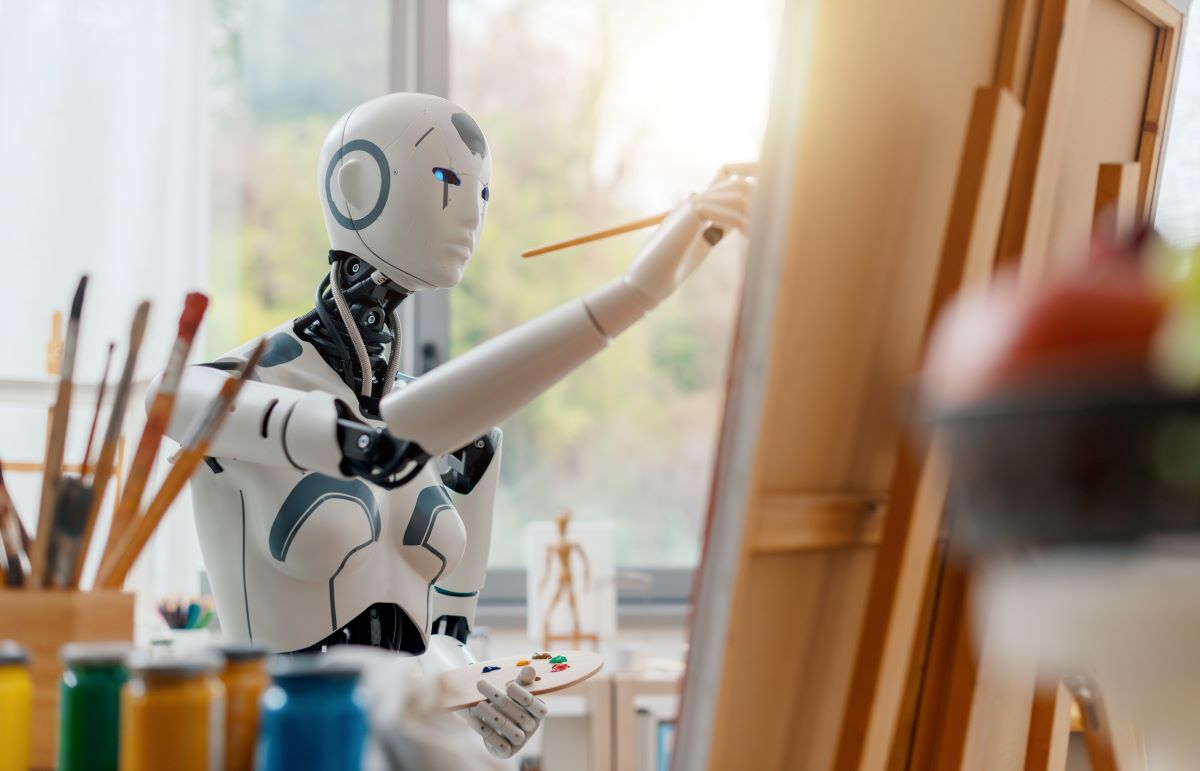
Generative AI is defined as AI systems capable of producing new content using data such as text, audio, and images. Tasks that are time-consuming, complex, and often seen as drudgery can be completed quickly with generative AI, contributing to corporate creativity and efficiency.
Advancements in generative AI indicate that this field is poised for significant changes in the global economy. Therefore, generative AI, which is considered to have high creative potential, will become more prevalent in the near future. How does generative AI contribute to creativity, can it think like a human? Will investing in such creativity translate to efficiency in the business world? We will hear these questions more frequently in the near future.
The dream of creating a thinking machine is one of humanity’s most eagerly pursued inventions. Currently, fully human-like thinking has not been achieved. One of the main challenges is that it is impossible to replicate the complex and nuanced nature of human cognition. According to experts, while AI has made significant strides in areas such as reasoning, natural language communication, and problem-solving, the ability to fully emulate human thinking or thought remains an elusive skill. The systems being worked on generally have the capability to produce accurate predictions and make informed decisions based on data analysis and interpretation, but they still face many challenges.
Natural language processing (NLP) is a branch of AI systems that can understand language, distinguish which language is being used, and provide written responses tailored to specific goals. Starting with the primitive therapeutic model named Eliza in the late 1960s and 70s, this journey has reached OpenAI’s highly popular ChatGPT language model and other language models. Today, chatbots are used as assistants that simplify life for people by providing responses through NLP.
Generative AI, with its natural language processing (NLP) capabilities, can analyze text documents and provide meaningful insights. This can be utilized in many areas such as market research, customer feedback analysis, and trend prediction. For organizations operating on a global scale, chatbots equipped with translation data in many languages can also provide solutions to customers in different languages. For example, it can offer support on how to reach a solution or what topics to consult live support about in Italian, Russian, Norwegian, or Danish.
Research indicates that advancements in generative AI have a high potential to create comprehensive and fundamental changes in the global economy. According to recent research data from Goldman Sachs, tools using advancements in natural language processing are expected to contribute approximately 7 trillion dollars, or a 7% share, to the global gross domestic product and increase productivity by 1.5 percentage points over the next decade as their use in businesses and society becomes more widespread. All these developments collectively provide substantial support in meeting the need for creativity. Recently, enhanced videos will also be added to these developments.
OpenAI, a name frequently mentioned in AI advancements, announced its newly developed system called Sora AI. Although not yet available for use, Sora AI, eagerly awaited, will soon be able to create highly realistic videos based on text. While not expected to produce artistic works per se, it is anticipated to perform excellently in developing creative materials that align with the communication goals of brands and organizations. The problem-identifying, analyzing, and work-material-creating capabilities of generative AI will come to the forefront in the near future.
The future of AI is moving towards interactive diagrams. The widespread use of interactive diagrams is now very close. These systems also signify a transformation in AI systems. Interactive diagrams, which have the potential to improve the understanding and usability of AI in human-AI communication, allow users to visualize complex data and concepts more intuitively and benefit from them easily. As AI rapidly enhances its learning capacity, its intuitiveness increases, and this intuitive development in natural language processing will quickly make AI more creative.
Businesses that integrate generative AI into their processes will achieve higher efficiency compared to competitors, seize significant opportunities in the business world with the features offered by generative AI, and strengthen their hand in creativity when developing content or communication materials.