Contents
Today, supply chains are not limited solely to delivering products from manufacturer to customer; there is also a reverse flow from customer back to manufacturer. Key reasons for this reverse flow include sustainability pressures, commercial competition, and technological innovations. Customer expectations regarding products and services alongside consumption trends have turned reverse logistics into a standalone managerial process. With modern supply chains growing increasingly complex, reverse logistics has become a critical element in commerce. Exactly at this point, EDI stands out as one of the greatest supporters of reverse logistics. By providing electronic data interchange in a standardized format between different enterprises, EDI accelerates every step from return processes to waste management, enhances transparency, and minimizes errors. We compiled the topic for you from various perspectives.
What Is Reverse Logistics?
Reverse logistics encompasses numerous processes ranging from returns to product recalls, warranty repairs, and waste management. These processes can inherently be complex, costly, and time-consuming. Managing the effective return flow of products and equipment to the source for customer returns, repair-maintenance processes, resale, recycling, or disposal creates major operational challenges and cost pressures for companies. Managing reverse logistics is a critical process in maintaining positive customer experience and protecting corporate reputation. Furthermore, with sustainability pressures and the rise of circular economy models, reverse logistics has become a strategic management domain for companies.
Reverse Logistics Processes and Management
Reverse logistics covers the movement of products or materials from consumer to manufacturer or recycling centers, contrary to traditional supply chain flows. This process begins with collecting, classifying, and processing products returned by customers. Products can be offered for resale, repaired, or reprocessed for different purposes. Waste management aims at the responsible disposal of materials arising during production or at the end of products' useful lives. While reuse means directly reusing products or their components, remanufacturing ensures used products are cleaned and repaired to bring them close to original quality. Recycling involves reprocessing materials as raw feedstocks. Materials unsuitable for recycling can be utilized through energy recovery. Many manufacturers implement buyback programs within the scope of sustainability commitments and legal requirements. All these activities turn reverse logistics into an integrated management process that creates value, conserves resources, and supports environmental sustainability.
Enterprises manage these logistical activities driven by economic benefits, legal obligations, or corporate social responsibility motivations. These processes contribute positively to brand communication and long-term reputation. However, inherently complex and filled with uncertainties, reverse logistics is vulnerable to errors arising from manual processes. Therefore, digitalized and automation-based process management is necessary.
Digitalization of Reverse Logistics with EDI
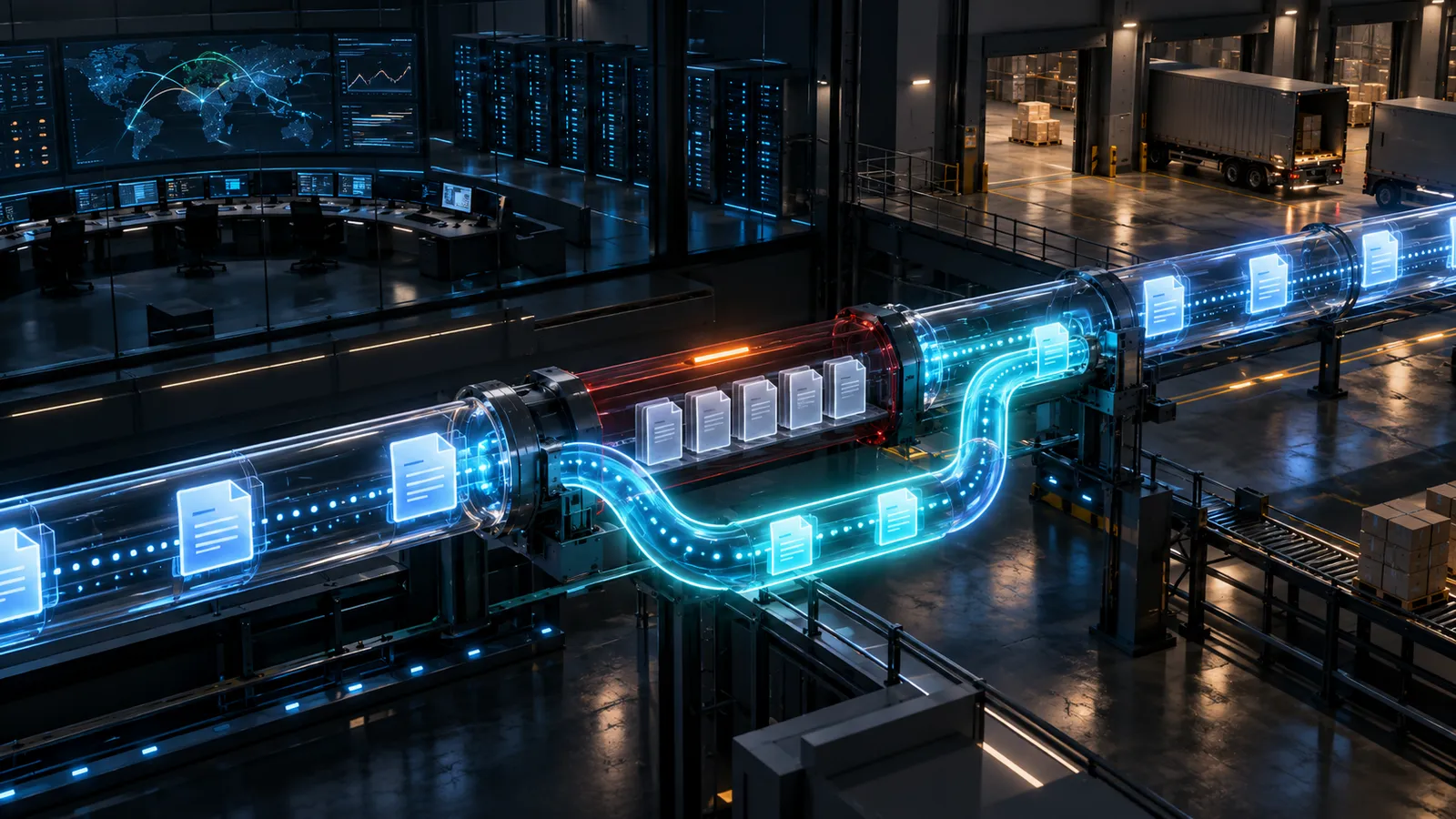
Digitalizing reverse logistics has become a necessity in modern supply chains. Traditional reverse logistics operations relying on paper-based and manual information flows fall short of meeting growing demands. Errors due to manual data entry, slowness in information flow, and uncertainties in inventory management inflate costs while diminishing customer satisfaction. EDI provides a robust digital backbone for this challenging transformation of reverse logistics. Long used for forward goods flow in the supply chain, EDI ensures that critical information—such as return authorizations, dispatch advices, return status updates, credit notes, repair instructions, and recovered inventory reports—is transferred in a standardized, automated, and error-free manner between suppliers, customers, logistics providers, and recycling facilities. This digital transformation becomes the key to building operational efficiency, cost savings, competitive advantage, superior customer experience, and a sustainable business model.
Applications and Benefits of EDI in Reverse Logistics
Return, remanufacturing, and recycling processes in reverse logistics require fast, error-free, and coordinated data flow among multiple actors. EDI digitizes this process, eliminating manual document processing and providing a reliable communication infrastructure. For example, when a retailer initiates a product return, an automated Return Merchandise Authorization (RMA) request is generated via EDI and transmitted to the manufacturer. The request is evaluated, approved, or rejected within seconds, eliminating the need for manual phone calls or email exchanges. When the product arrives at the return center, receiving advices (RECADV) immediately convey information such as product condition and quantity into the systems; warehouses and processing units can route the product to repair, resale, or recycling channels in a timely manner.
EDI enables the direct integration of return data with customer and accounting systems. When a product is processed, data such as acceptance status, damage condition, and credit amount are transmitted to the customer's system via EDI. In this way, manual updates are eliminated, credit transactions accelerate, and error risk decreases. Furthermore, in buyback programs, EDI enhances planning and optimization by communicating the type and quantity details of products to be returned in advance. Logistics processes deploying EDI reduce errors in manual data entry, shorten cycle times, and lower operational costs. Especially with high return rates in the e-commerce sector, EDI infrastructure increases return on investment (ROI). Thus, EDI turns reverse logistics into a transparent, fast, and efficient process, creating a strategic advantage that elevates customer experience and boosts operational performance.
Solutions and Advantages Provided by EDI in Reverse Logistics
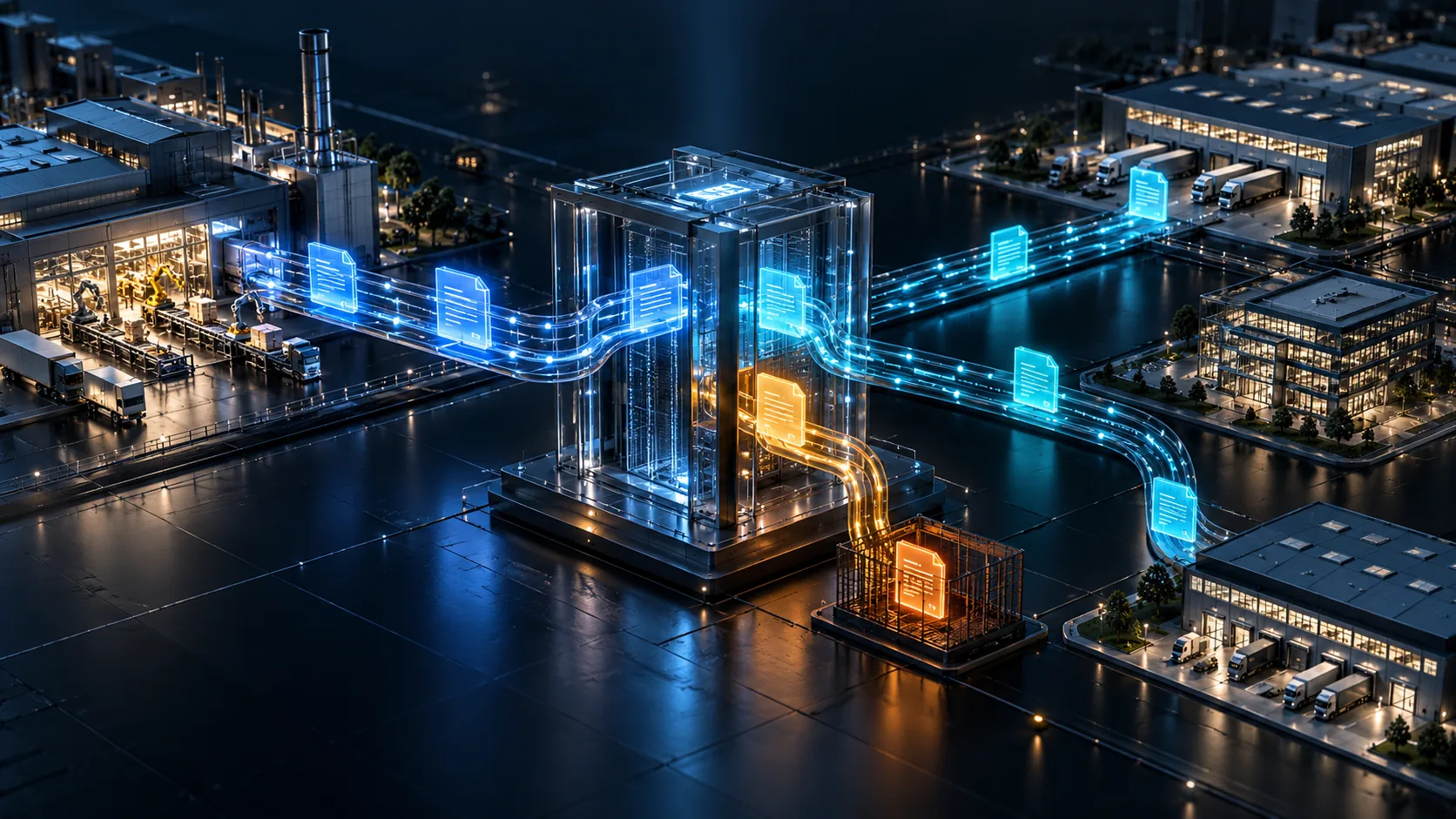
EDI accelerates operations and increases efficiency in processes such as return authorization, dispatch advice, and credit notes. Through standardization, automation, error-free data flow, and optimization potential, it provides not only efficiency, but also competitive strength, customer experience, and sustainability gains. Digitalization and EDI infrastructure allow digital tracking of the entire journey of products from customer to warehouse, and onward to repair or recycling. Thanks to real-time data flow, return requests are instantly conveyed to suppliers, warehouses, and logistics companies. Seamless data sharing among different systems of different enterprises becomes possible. In this way, businesses aiming to expand in the market or reach different geographies can achieve their goals more easily and systematically.
Rising return rates in e-commerce, sustainability pressures, the rise of circular economy models, and environmental regulations have made the efficiency and transparency of reverse logistics processes mandatory. The speed, accuracy, and transparency provided by EDI enhance operational efficiency while elevating customer satisfaction. In the future, the potential of EDI solutions integrated with artificial intelligence and IoT to create a greater transformation in reverse logistics holds great promise for sustainability.
ODEX EDI Gateway to the Supply Chain
An EDI gateway suitable for businesses of all sizes, ODEX centralizes communication and formats documents differently. This includes EDIFACT, VDA, TRADACOMS and PEPPOL.
Explore the solutionRequest a demo →