Contents
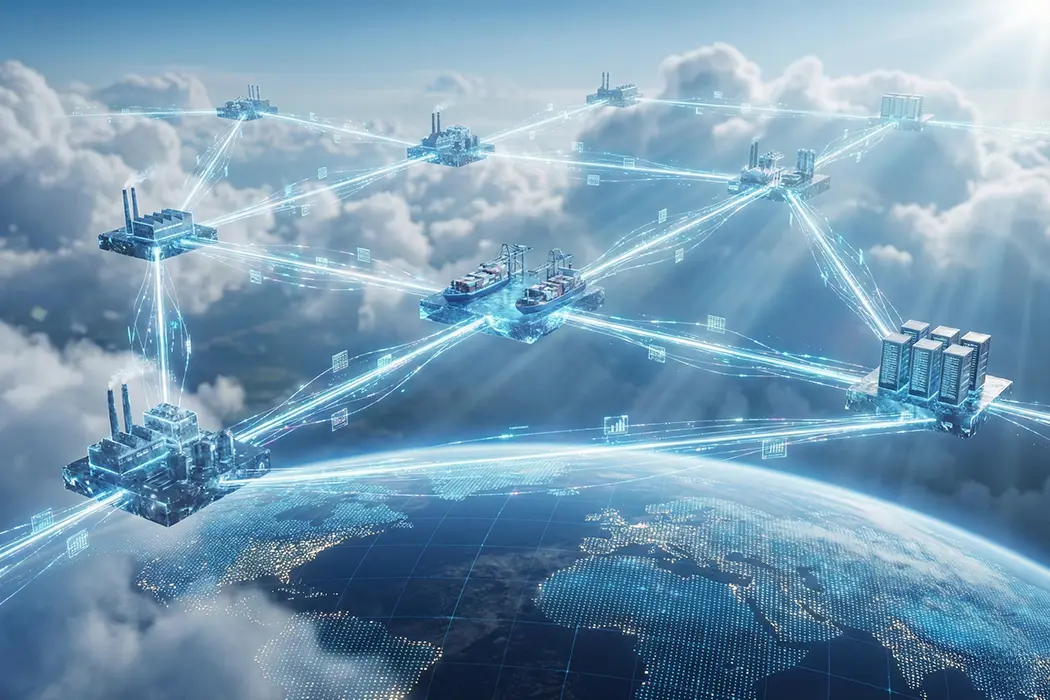
Micro fulfillment centers have entered our lives as a system that enables the distribution of products from nearby centers for customer delivery at the final point where the supply chain reaches the customer. Especially after the COVID-19 pandemic, with the increasing need for speed and low cost, this model gained great popularity. Offering a competitive advantage, micro fulfillment centers (MFCs) and EDI integration redefine logistics through the "location + data" duality. While MFCs provide physical proximity to the customer, EDI digitally connects these centers to the rest of the supply chain, enabling full automation. This model is expected to become a critical competitive advantage, especially in sectors such as fast-moving consumer goods and pharmaceuticals. As companies carry out their investments in these two areas in parallel, we will see that even the standard of "same-hour delivery" beyond "same-day delivery" will become possible in the near future.
Micro Fulfillment Centers (MFC)
Shopping giant brands such as Amazon, Walmart, and Alibaba began to stand out with the promise of fast delivery as competition increased toward the end of the 2010s. During the COVID-19 period when e-commerce boomed, this need became one of the most important topics on the global agenda. As consumers demanded same-day delivery and low shipping costs, businesses also sought to respond to these demands more efficiently by moving warehouse capacity to city centers. Thus, micro fulfillment centers emerged.
Micro fulfillment centers offer customers an experience where they can complete their shopping online and pick it up from the store. This system aims to deliver products to consumers faster and at lower costs, and in recent years has become widespread by being established in city centers or points with high customer density. These centers are small-scale; they occupy less space than traditional centers and are generally located closer to urban areas. They are highly automated warehouse systems, not like stores. This proximity allows meeting high customer service level expectations and adapting to narrow time windows for delivery. Unlike traditional large distribution centers, they provide faster operations and make it possible to deliver customer orders the same day or the next day. In a sense, they are streamlined areas of logistics.
Fast and Flexible Logistics Structuring in B2B with Micro Fulfillment and EDI
Although micro fulfillment is generally perceived as a B2C concept, it also represents a strategic transformation in the B2B world. It offers significant advantages, especially in areas such as fast manufacturing, custom orders, spare parts, and direct supply to retail. Retail chains, restaurant groups, manufacturers, or dealers can procure the products they need in a much shorter time thanks to micro fulfillment centers. In addition to reducing lead times, micro fulfillment also lowers inventory costs. For example, a manufacturer or wholesaler does not have to hold excess stock, saving storage costs. Furthermore, related errors in B2B are minimized. Micro fulfillment processes supported by automation and digital systems such as EDI greatly reduce manual error rates and ensure that orders are arranged accurately and quickly. One of the most critical advantages of this system is customization; thanks to micro fulfillment, EDI, and automation, flexible delivery scenarios tailored to specific customers or regions can be created. Additionally, companies operating in various countries may have continuous deliveries concentrated in specific regions. With micro fulfillment centers close to these regions, support tailored to local conditions is provided, securing a strong competitive advantage.
Automation of Micro Fulfillment Processes with EDI
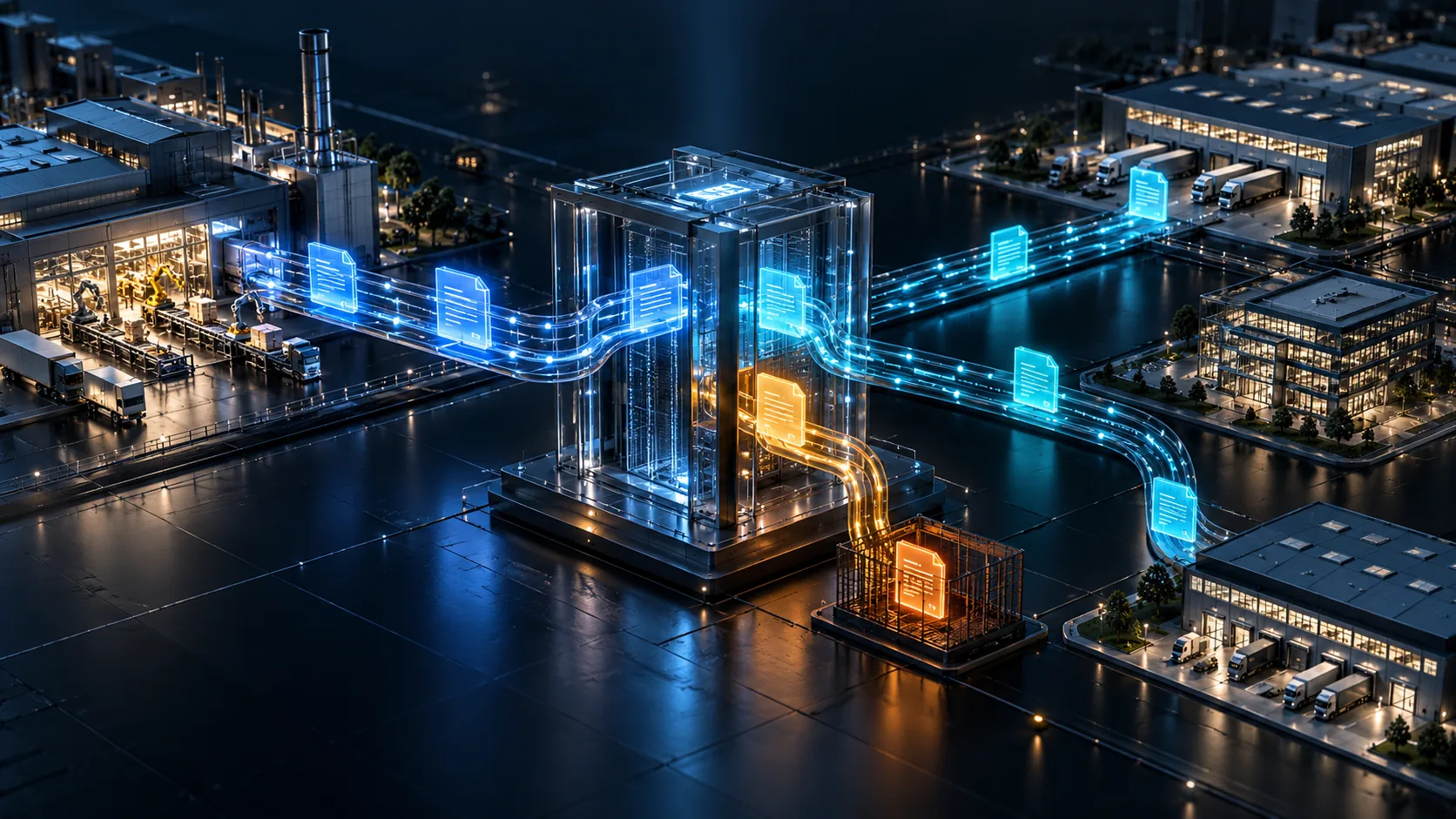
EDI is a modern technology that enables the automatic sharing of commercial documents such as purchase orders, invoices, inventory status, and advance shipping notices between enterprise systems using standard data formats. EDI brings different formats and languages together under a single standard; it is just like all parties speaking the same language. In the B2B world, EDI replaces manual document processes, offering advantages in speed, accuracy, and security. Data exchange between companies proceeds in real time, error-free, and interoperable across systems. This translates to both time savings and operational efficiency in business processes. EDI enables end-to-end digitization of operations, especially in processes such as order management, payment tracking, product dispatch, and supply planning. For example, steps such as an order from a dealer automatically reaching the manufacturer, being integrated into the production schedule, and then the invoice being generated digitally take place without human intervention, virtually error-free, and much faster thanks to EDI. Because documents are transmitted in standardized formats (such as EDIFACT, for example), seamless compatibility between different systems is achieved. At this point, the integration of micro fulfillment centers with EDI comes into play, further accelerating and strengthening supply chain processes.
Micro fulfillment systems generally operate in limited spaces; therefore, real-time inventory tracking and dynamic demand planning are of great importance. Thanks to EDI integration, when the stock of a product decreases, this information is automatically transmitted to the supplier, the system triggers a new order, and shipment planning is organized accordingly. Thus, "out of stock" situations are minimized and customer satisfaction is maintained. In addition, real-time data sharing with suppliers can be carried out via EDI. For example, a supplier can monitor the daily order volume and the most demanded products of a micro fulfillment center in real time. In this way, production and dispatch decisions are made more accurately. At the same time, shipping documents, invoice data, or return processes are managed automatically and without errors.