
Contents
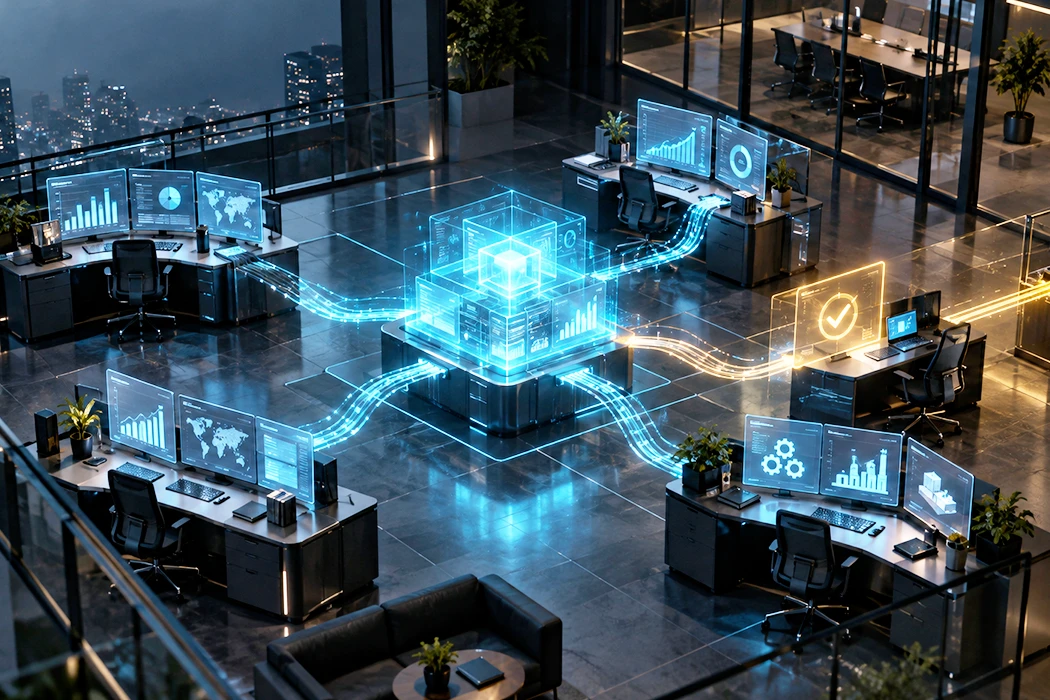
As digital transformation advances and global networks expand, companies have strengthened and modernized their digital infrastructure to keep up with innovation. At the same time, this has brought cyber threats against that infrastructure to the fore. While digital transformation is moving at a dizzying pace, cyber threats have become more diverse and sophisticated. They no longer target only specific systems; they can spread across a company's entire digital ecosystem and create anomalies across huge volumes of data. Below, we look at these threats and at how AI-powered solutions help protect companies' digital infrastructure against them.
Cybersecurity Threats and the Defense Approaches They Require
Traditional security measures are no longer enough. Cyber attackers threaten organizations with fileless attacks and ransomware and by targeting supply chain weaknesses and flaws in IoT devices. They use a variety of methods to exploit companies' security vulnerabilities.
Foremost among these threats are Advanced Persistent Threats (APTs): attacks that can covertly infiltrate systems for long periods and keep evolving, carried out by organized groups seeking to steal sensitive data, take control of systems or gain a strategic advantage. APT groups, which account for a significant share of threats, typically infiltrate target systems to steal sensitive data, seize control of systems or secure a strategic advantage. Experts stress that multi-layered defenses, continuous threat monitoring and proactive strategies are essential against such attacks. Fileless attacks are another critical threat. They inject malicious code directly into memory or abuse built-in system tools in ways that traditional antivirus software cannot detect. Because fileless attacks can run without leaving traces on the system and can erase almost all evidence of the attack, they are considered a major challenge for security analysts. This shows that defense tools need stronger anomaly detection and behavioral analysis.
As IoT (Internet of Things) devices become more widespread, they have become a prime target for cyber attackers. IoT devices often lack standard security measures, use weak encryption and miss updates, which makes them easy to exploit. In other words, because IoT devices are poorly defended and vulnerable, they pose widespread threats to both individual users and corporate networks. Security gaps in the IoT ecosystem can affect everything from smart homes to industrial control systems, so securing these devices is critical to maintaining system integrity. Supply chain attacks are another important next-generation threat. Companies can be infected by malware delivered through software updates, hardware components or service providers. Attackers break into a trusted third party's system and create a security gap that can affect every connected network and user. Such attacks pose critical risks, especially for organizations with large, global supply chains.
Solutions for Cybersecurity Threats
As technology evolves rapidly and digital environments grow more complex, traditional security measures have become outdated, and companies need modern defense strategies that go beyond them. Next-generation threats make it necessary to move past classic signature-based defenses and adopt behavioral analysis, AI-powered detection systems, real-time data analytics and multi-layered defense strategies. To protect their digital infrastructure, companies and organizations must keep adapting to these threats, integrate innovative technologies and update their security policies dynamically. This creates a more resilient and flexible cybersecurity posture against modern attack techniques.
To counter next-generation threats, organizations are using dynamic, adaptive defense strategies that go beyond traditional signature-based antivirus systems and static firewalls. Ransomware, for example, is now far more sophisticated, in other words more complex than before. It can continuously change its own behavior to evade a specific target's defenses. Because AI-powered attacks can be highly sophisticated and deceptive, defense systems must be updated continuously and become adaptive. Zero-day threats, for instance, are hard to detect and fix, so defenses need to be backed by proactive threat hunting and continuously updated threat intelligence systems.
AI-powered cybersecurity solutions protect companies' digital infrastructure and offer groundbreaking advantages in both real-time threat detection and incident response. As these technologies become more deeply integrated, defense systems are expected to keep renewing themselves and become proactive and predictive in a digital world where attack vectors are constantly evolving. These innovative approaches make companies more resilient to existing threats. They also allow companies to look beyond individual cyberattacks and build long-term digital security strategies on solid foundations.
How Data Traffic, AI (Artificial Intelligence) and the Supply Chain Shape Cybersecurity Threats
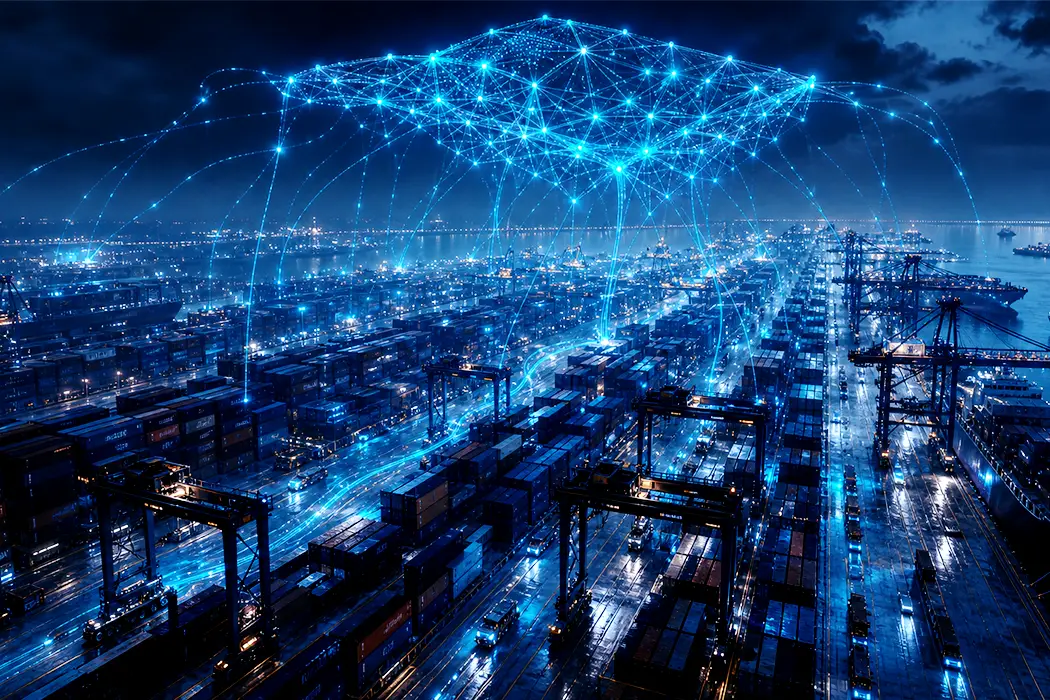
Attackers have now started to build AI and machine learning techniques into their attack strategies. By their nature, AI-powered attacks are far more complex and aggressive: they can automatically scan target systems to find vulnerabilities and even craft personalized traps in social engineering attacks. Such attacks increase both the scale and the complexity of attacks. Another category of threat is the zero-day vulnerability, a software flaw that is not yet known or patched. By exploiting such flaws, attackers can break into systems before a patch or security update is released for the software in question. According to experts, besides attacks aimed directly at companies, supply chain attacks can also reach companies through trusted business partners and software updates. This means attackers are widening their attack surface. With data traffic growing every day and system architectures becoming multi-layered, new attack methods designed to cover attackers' tracks are coming to the fore. This is where AI-powered solutions come in and are transforming cybersecurity. Because AI and machine learning algorithms can analyze large data sets in real time, they can distinguish normal from abnormal behavior patterns. This makes it possible to identify unusual activity in network traffic, such as unexpected spikes at certain times or unusual data transfers, even at a level of detail the human eye would miss. Potential attacks can then be identified and stopped long before they cause damage.
Today, AI and machine learning-based solutions play a critical role in developing modern cybersecurity defenses. These technologies can analyze network traffic in real time to detect unusual behavior patterns, automatically flag potential attacks and work with Security Information and Event Management (SIEM) systems to pinpoint the source of incidents through big data analysis and shorten response times. AI-powered systems that integrate cyber threat intelligence also analyze attack patterns and new threat vectors worldwide, drawing on historical data and continuously updated threat feeds. This allows them to anticipate future attack scenarios and build proactive defense strategies. Machine learning models integrated into SIEM systems in particular scan large volumes of network data to detect attack attempts early and trigger automated responses. AI-based systems do more than detect attacks: after an incident, they quickly analyze the source, the method and the affected areas, providing strategic data to help prevent similar threats.
The use of AI in cybersecurity has turned into a "security race." Attackers can use the same technologies to develop more sophisticated ways of getting past defense systems. In other words, as innovation and technological progress speed up, threats grow more serious and more sophisticated at the same pace. This shows how important hybrid strategies are, combining continuously updated algorithms, adaptive models and human expertise. Because attack methods grow more sophisticated as innovation advances, modern defense systems need to be managed by skilled, experienced professionals. More and more companies are making it their policy to get expert support from an experienced, professional provider.
Corporate Policies Against Cybersecurity Threats
In today's fast-changing cyber threat landscape, companies need versatile, flexible solutions to protect their digital infrastructure. Strategies built on the Zero Trust principle are therefore becoming very important. Zero Trust requires every user, device and application on the network to be continuously verified and monitored, with access restricted. Only trusted, predefined entities are granted access, and potential threats can be detected at an early stage. Access is limited to authorized individuals. Multi-factor authentication (MFA) adds a further layer of security at access points to sensitive data. By requiring employees to log in not only with a password but also with additional factors such as confirmation on a mobile phone or biometric data, companies can significantly reduce the risk of account takeover. Applying software updates and patches regularly is also a vital step in preventing known vulnerabilities from being exploited. Endpoint Detection and Response (EDR) systems, meanwhile, monitor threats on endpoints such as computers, mobile devices and IoT devices and help detect and block attack attempts early. In addition, network segmentation stops attackers from moving from one zone to another and keeps potential damage contained.
Another critical step in cybersecurity is raising employee awareness. Regular cybersecurity awareness training makes staff more alert to phishing, social engineering and similar attack methods. Alongside technical measures, such training plays a major role in preventing human error. Regular external penetration tests and vulnerability assessments help companies find security gaps and act on them, which is an effective way to strengthen their overall cyber defense strategy. According to experts, complying with international security standards (such as ISO 27001, NIST or CIS Controls) also helps companies build a comprehensive security management framework.
A versatile, layered approach is therefore essential to protect against cyberattacks and threats. Companies need not only to protect their digital infrastructure against today's threats but also to build proactive defenses against the next-generation attacks that may emerge in the future. It can also be effective for companies in the same supply chain to run dedicated social responsibility campaigns that build a shared awareness of data security and cyber protection, and to come together on the common ground of that awareness. As technology continues to evolve, proactive measures must also be renewed, closely monitored and adapted quickly.
B2B/EDI Integration
MAP's B2B/EDI integration connects ERP systems and business partners, with support for protocols such as AS2 and OFTP2 and standards such as EDIFACT and VDA.
Explore the solutionRequest a demo →