Contents
Inventory management, which encounters challenges depending on demand density in the supply chain, is of critical importance in today's competitive business environment. "Vendor managed inventory," an implemented strategy for supply chain inventory management, facilitates workflows with numerous advantages in sustaining operations and achieving efficiency, while reducing costs. The convergence of contemporary technologies with this method plays a critical role in meeting customer demands and minimizing costs. With this data-driven method applied as an important component of supply chain management, inventory in the supply chain can be managed in a controlled manner.
What Is Vendor Managed Inventory (VMI)?
The term "Vendor Managed Inventory" (VMI) in global commerce refers to a strategy used to increase efficiency and reduce costs in supply chain management. In this supply chain management system, operations run under a business model where the responsibility for tracking and replenishing inventory is transferred from the buyer to the supplier. In other words, VMI is an inventory management system where the vendor, a manufacturer or supplier, is responsible for maintaining appropriate inventory levels for the buyer (who sells goods to the end consumer). The supplier assumes full responsibility for maintaining inventory levels of their products at the customer's location. This generates cost savings for both the vendor and the retailer in planning, ordering, and storing products.
In this business model, the supplier is responsible for monitoring customer inventory levels, proactively managing stock availability for required products, and replenishing orders based on demand. Although VMI has been a strategy in use for decades, when looking at the reason it has earned a distinct position in the supply chain in recent years, we see modern technology playing the lead role. The data-driven form that transforms VMI into a more collaborative, resilient, and competitive dimension and a core component of the supply chain encompasses artificial intelligence-supported, cloud-connected technologies. VMI relies on the synchronization of data and communication to ensure that inventory levels always align with current and potential demands.
How Does VMI Implementation Work?
VMI, distinguished by its inventory management function in the supply chain, operates based on several core components that ensure smooth operations and optimum inventory levels. After inventory is delivered to the retailer, inventory levels and sales patterns are monitored. By closely tracking the demand and consumption rate of products, the supplier optimizes inventory levels. The entire process is calculated through forecasting and delivered to the retailer in a timely manner to prevent stockouts. With technology support, VMI provides real-time data exchange between vendor and customer. The vendor and retailer work together to develop accurate demand forecasts and determine optimal inventory levels.
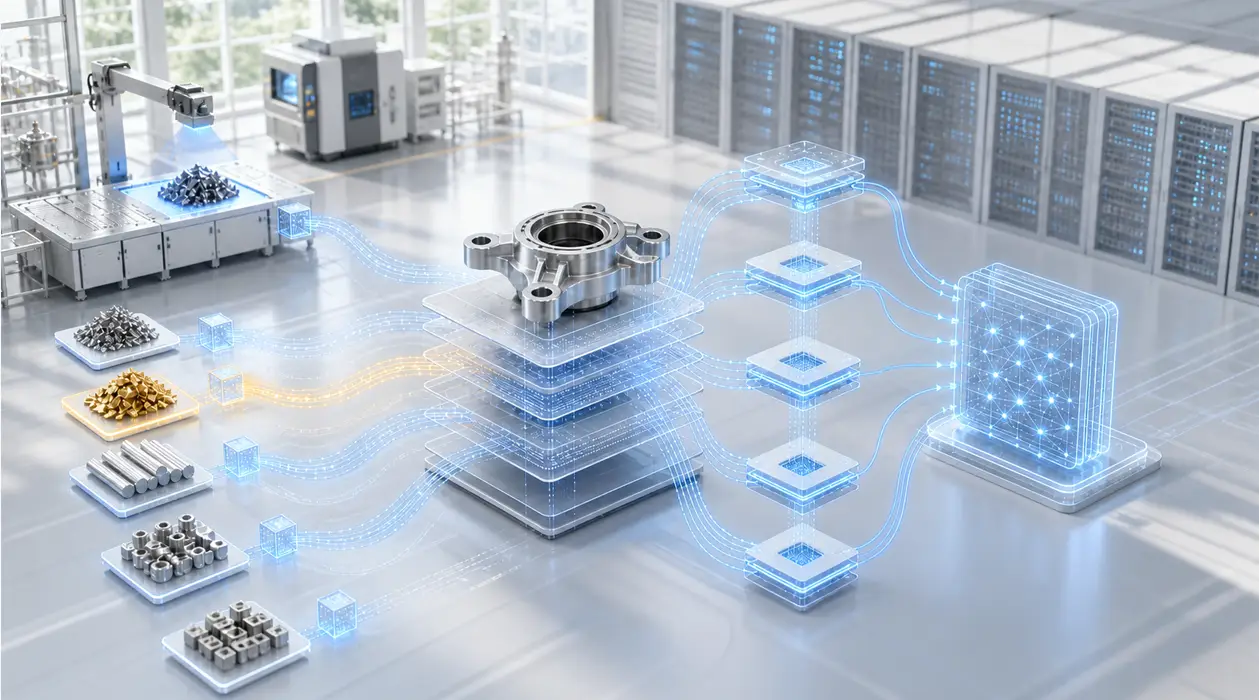
Data-driven VMI involves the use of advanced technology and automation systems. Technologies such as modern data analytics tools, artificial intelligence, and machine learning enable more accurate demand forecasts by analyzing large datasets. In the VMI supply chain model, buyer and seller establish an agreement that the seller will make inventory, supply, and reordering decisions for the products supplied. In this case, if transfer occurs when the product is pulled from stock by the retailer, a consignment system regarding product ownership in stock is applied. Process intervals may also vary depending on the nature of the partnership.
Advantages and Disadvantages of VMI Today
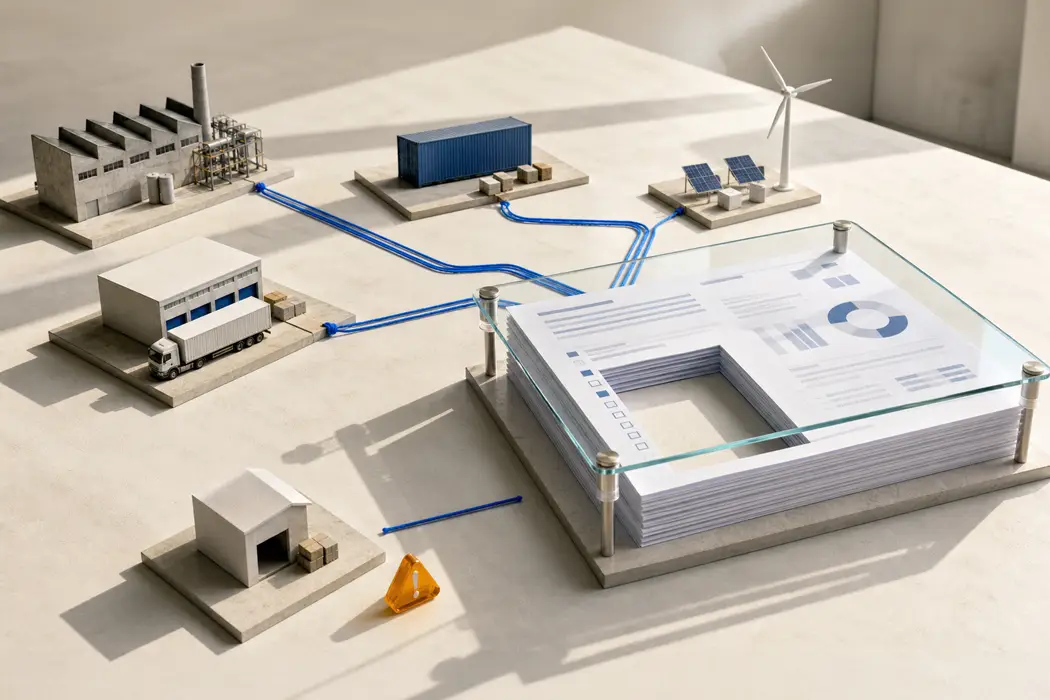
In the VMI workflow, the supplier regularly tracks customer sales data, demand forecasts, and current stock levels, adjusting the right supply quantity at the right time to maintain inventory at the desired level. For this system to operate, the buyer typically shares up-to-date information regarding sales and inventory levels with their vendor via a digital portal. As a result, supply chain operations become more predictable for both the customer and the supplier, ensuring that stock management is conducted more efficiently and effectively. For example, if sales data indicates high demand for a specific product during a given period, the vendor can proactively increase stock levels to avoid stockouts or reaching critical thresholds. The process works similarly if sales drop and demand slows down. Thus, proactive intervention becomes possible. Precautions can be taken against scenarios such as overstocking, which increases holding costs and causes various issues. In this scenario, potential expenses are prevented and overhead costs are reduced. Consequently, the relevant supply chain operation becomes free of tedious burdens, leaner, more agile, and gains responsiveness and efficiency.
Proper utilization of data in VMI advances to the benefit of all stakeholders in the supply chain. These technologies automate inventory replenishment workflows and reduce the need for manual intervention. Thus, processes across the supply chain become more integrated and efficient, and operational costs decline. As closer relationships are established with customers, customer satisfaction increases. Through formal agreements established from the outset, roles, associated responsibilities, and expectations must be outlined in detail. Both parties must reach a mutual consensus on the details of operational processes such as delivery schedules, inventory levels, return policies, and minimum/maximum replenishment levels. In certain cases, if inventory demand forecast data is inaccurate, or if accurate and current information is not tracked and responded to promptly, disruptive economic outcomes may also arise.