Contents
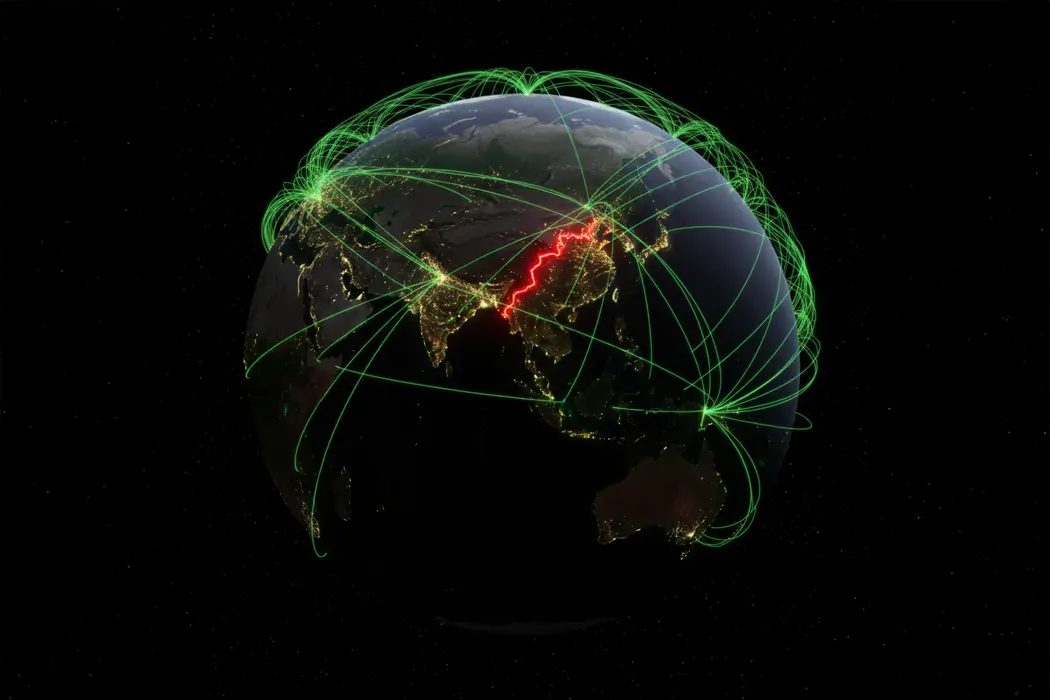
In parallel with the global challenges of recent years, supply chains have evolved into a much more complex structure where data flow accelerates and competition moves entirely into a digital dimension. In this framework, the concept of "visibility", the cornerstone of the modern supply chain, has become not just a necessity for enterprises, but a strategic imperative.
With the introduction of next-generation technologies, visibility has moved beyond classical "monitoring" to reach a forecasting and decision-support layer. These innovative tools, such as Artificial Intelligence (AI), the Internet of Things (IoT), blockchain, digital twins, and augmented analytics, provide the foundational technological support driving businesses toward their 2030 goals. In the future, visibility will be defined far beyond accessing and processing information, by the ability to deeply interpret data and make a lasting difference in global competition.
What Are the Critical Obstacles to Supply Chain Visibility?
Global supply chains are undergoing a profound evolution under post-pandemic uncertainties, geopolitical risks, increasing customer expectations, and unrelenting digital transformation pressure. Although visibility lies at the heart of this transformation, achieving it remains a challenging process for many enterprises despite technological advances.
The primary obstacles are:
- Data Inconsistency and Data Silos: The lack of integration between different systems and departments leads to fragmentation and degradation of data quality. Limited data sharing within the company or between suppliers makes it impossible to see a holistic picture of the chain. Inaccurate or missing information naturally increases decision-making risk.
- Resistance to Standardization and Transparency: The complex structure of global supply networks brings a lack of standardization in ecosystems with numerous stakeholders, along with organizational resistance toward transparency.
- Cybersecurity Concerns: Justified enterprise concerns regarding cybersecurity can emerge as a restricting factor for critical data sharing.
However, in today's world, enterprises must transparently monitor not only the product flow, but also the entire chain of data, processes, and decision-making end-to-end. For this reason, it is of critical importance that they bring their data together with smart technologies through a visionary approach and expert support for the integration of visibility and its foundational technologies.
Why Is Supply Chain Visibility Vital?
Visibility has become the primary determinant not only of operational efficiency, but also of strategic agility, crisis resilience, and customer trust.
- Risk and Cost Management: According to Gartner data, enterprises investing in end-to-end supply chain visibility reported a 40% increase in their response speed to risks, along with an average 20% decrease in operational costs. These concrete figures demonstrate that visibility is now a direct component of competitive advantage.
- Agility and Strategic Decision-Making: Visibility is a key factor in dealing with uncertainties and complex processes. In strategic supply chain management, it provides the capability to respond agilely to unexpected events and supports success through data-driven decisions.
Next-Generation Technologies in Visibility: From Tracking to Forecasting
Thanks to the digital infrastructure that provides visibility, enterprises can monitor their processes instantaneously, anticipate risks, and build more flexible, sustainable, and reliable ecosystems with data-driven strategies. The future of visibility no longer consists of simple sensors and reporting dashboards; the interaction of new technologies is transforming this field:
- AI and IoT Interaction: IoT-enabled sensors can detect not only the location of the product, but also transportation conditions, energy consumption, or a potential malfunction in advance. These data points are analyzed with artificial intelligence algorithms and instantly reflected in decision-making processes. Thus, visibility ceases to be a tool that reports the past and turns into a strategic guide that forecasts the future.
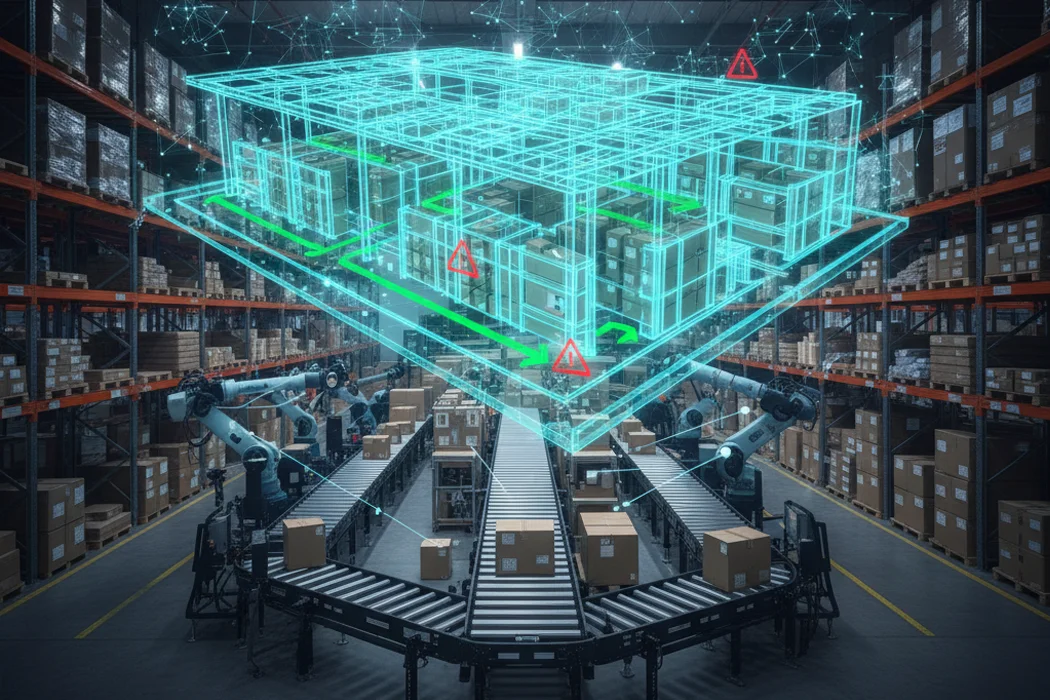
- Digital Twins: Positioned as an innovation layer atop SCM (Logistics, Inventory, Manufacturing) tools in the supply chain, digital twin technology reveals the potential to simulate different scenarios, improve decision-support mechanisms, and reduce costs.
- Blockchain: By verifiably recording the process products undergo from source to customer via digital product passports, it reinforces supply chain transparency and consumer trust.
- Augmented Analytics: In combination with large-scale software, it supports the development of real-time control towers capable of anticipating threats and bottlenecks. These platforms increase instantaneous intervention and optimized planning capabilities, particularly in logistics, inventory, and transportation operations.
Contributions of API and Cloud-Based EDI to Next-Generation Visibility
Traditional Electronic Data Interchange (EDI), combined with cloud-based API integrations, adds a new dimension to supply chain visibility.
- Collaboration and Trust: The transparent information sharing provided by EDI and APIs enhances an environment of trust among suppliers, manufacturers, and logistics firms. This collaboration strengthens long-term partnerships and increases supply chain resilience.
- Operational Excellence: The use of predictive analytics can increase demand forecast accuracy by up to 50%. This reduces costs arising from inventory excess/shortages and aligns manufacturing-planning processes.
- Error Reduction: Problems such as document delays, missing orders, or incorrect inventory levels that occur when visibility cannot be ensured are minimized with EDI-based systems. Automation makes processes more predictable by reducing human error potential.
Strategic Value Creation of Visibility for Businesses
Increased visibility provides a powerful early warning mechanism that enables risks to be recognized at an early stage.
- Early Warning and Crisis Management: According to ProcurementTactics statistics, 57% of supply chain professionals point to a lack of visibility as the primary problem hindering their operations. However, thanks to systems providing uninterrupted data flow, problems such as incorrect product codes, missing invoices, or delayed deliveries can be detected instantly. Visibility elements such as AI analytics and real-time tracking make it possible to anticipate crisis situations like supplier disruptions or logistics delays and take swift action.
- Customer Satisfaction and Trust Building: Companies equipped with visible systems can instantly share information such as order status and shipment location with their customers. This transparency provides an advantage in meeting customer expectations, playing a critical role in building loyalty and trust.
- Sound Risk Analysis: Accurate and instantaneous data forms the foundation of strategic decisions. Visibility offers companies the ability to conduct more robust risk analyses.
The Future of Visibility: Projections for 2030 and Beyond
The future of visibility technologies is shaped not only by collecting data, but by interpreting it. Thanks to big data analytics, raw information is transformed into operational insights, risk maps, and sustainability indicators, giving enterprises a strong navigation capacity.
Visibility has ceased to be a monitoring activity conducted in the background and has become a strategic imperative. The future understanding of visibility will be built upon an ecosystem integrated with digitized supply chains, guided by artificial intelligence, and continuously learning.
Core Projection: According to experts, the fundamental focus of visibility technologies toward 2030 will not be merely "seeing" data, but "reading" and "interpreting" it. With this transformation, digital twins will evolve visibility into a proactive decision-support system by offering more advanced scenario simulations and predictive planning via virtual replicas.
Next-generation technologies redefine visibility, empowering businesses to establish system architectures that learn, anticipate, and adapt. This development will be not only the foundation of operational superiority for enterprises in 2030 and beyond, but also the golden key to retaining sustainable competitive power in the digital age.
Monitor Your EDI Flow on One Screen with MAP Monitor
Track inbound and outbound EDI documents, view status and history, and investigate exceptions from one interface with MAP Monitor.
Explore the solutionRequest a demo →